Welcome
‘MyEveryDay’ is a dedicated support website, designed specifically for people who have been prescribed Duvyzat®
Duvyzat®
(givinostat)
This medicine is subject to additional monitoring and information about reporting side effects can be found at the bottom of this page.
The website offers clear, practical resources to provide guidance on what to expect as treatment begins. Taking treatment every day means changing your routine, so we have developed practical tools that bring confidence and clarity to everyday care. Our resources include:
Downloadable booklets that explain how Duvyzat® works and what starting treatment may look like
Simple, accessible materials designed to support patients, parents, and caregivers in everyday life
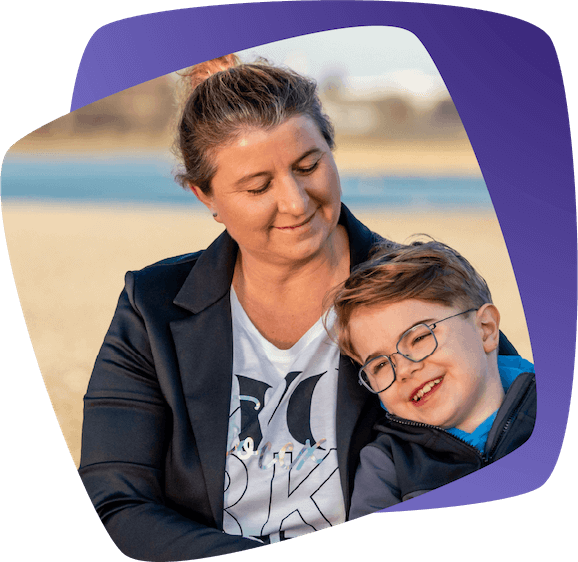
All photographic images on this page feature real patients. They are shown for illustrative purposes only, and individual experiences may vary.
Tailored content
Everyone is different and may need content provided in different ways
People have different abilities, and not everyone learns in the same way, so we have provided downloadable content for different ages:
Content for young children
Created for younger children or those who prefer less detail, and is identified with the bear symbol.
Content for OLDER children
Created for older children or those who prefer more detail, and is identified with the gamer symbol.
IDEAL FOR AGES
16+
Content for adults
All content is intended to help inform adults, including patients, parents or any person caring for somebody taking Duvyzat®
What is Duvyzat®?
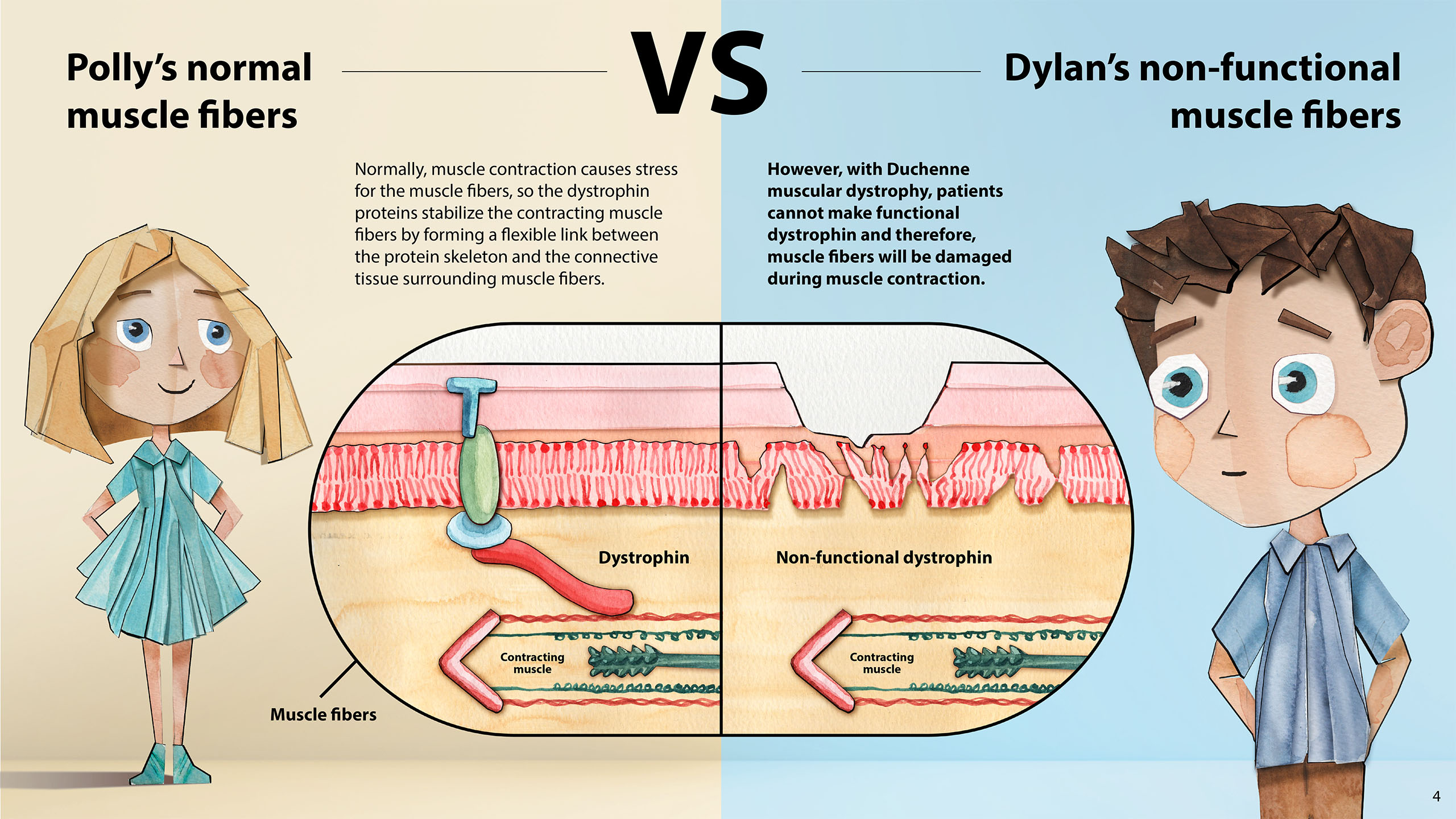
Duchenne muscular dystrophy is a genetic condition caused by changes in the dystrophin gene, which normally provides the instructions for making the dystrophin protein. When this gene is altered, the body is unable to produce functional dystrophin, and muscle cells become fragile and easily damaged during everyday activity.
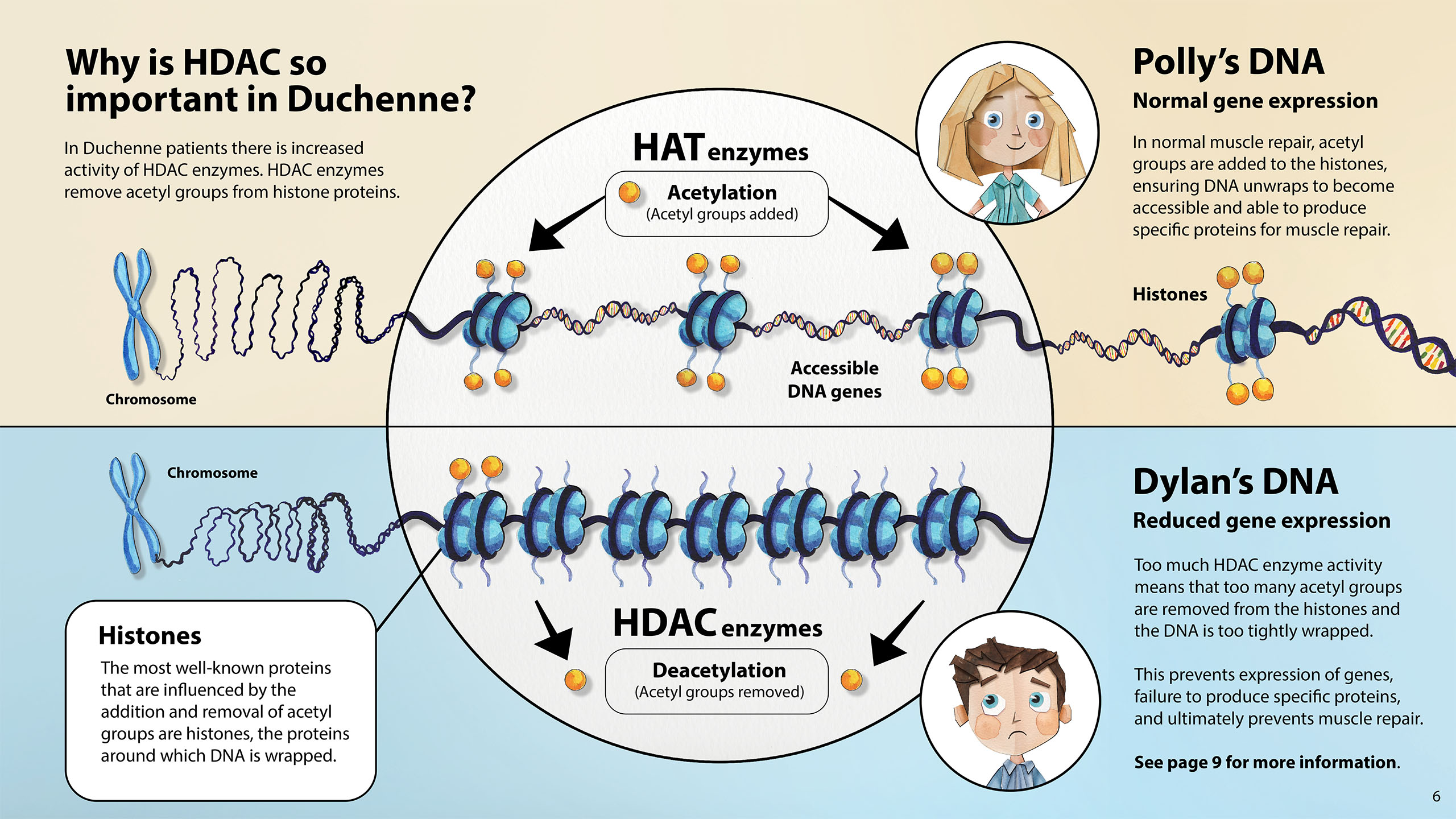
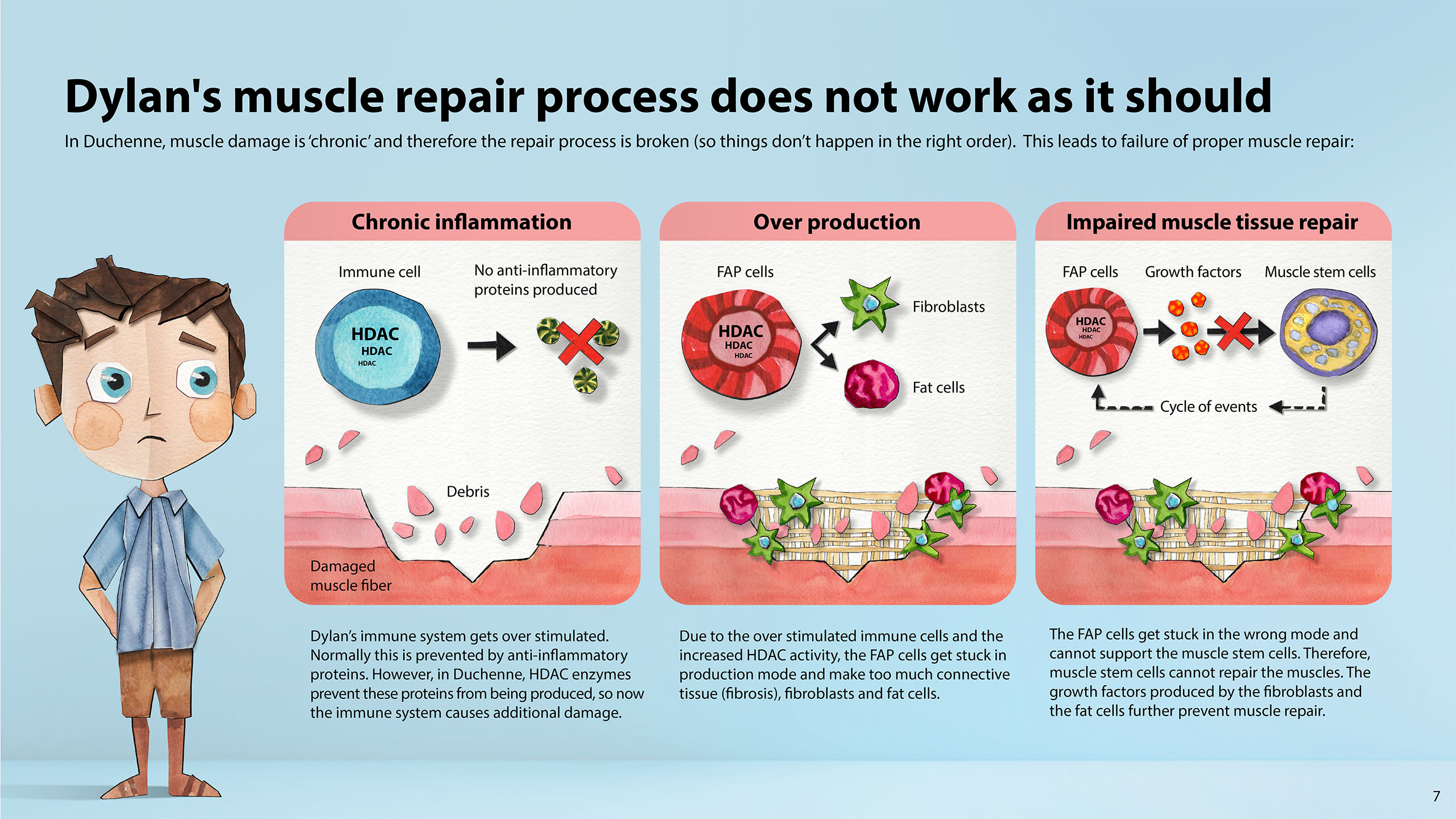
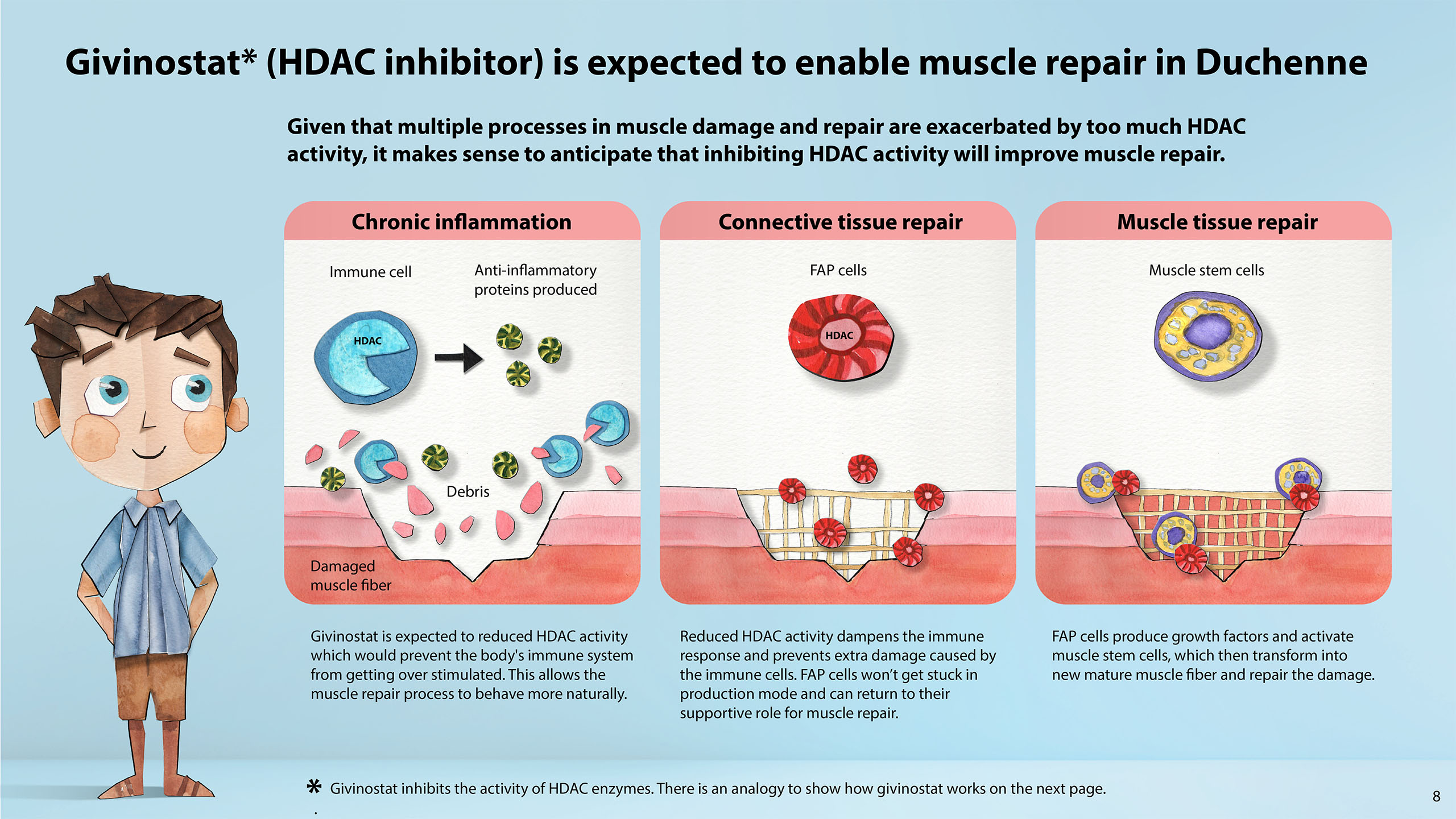
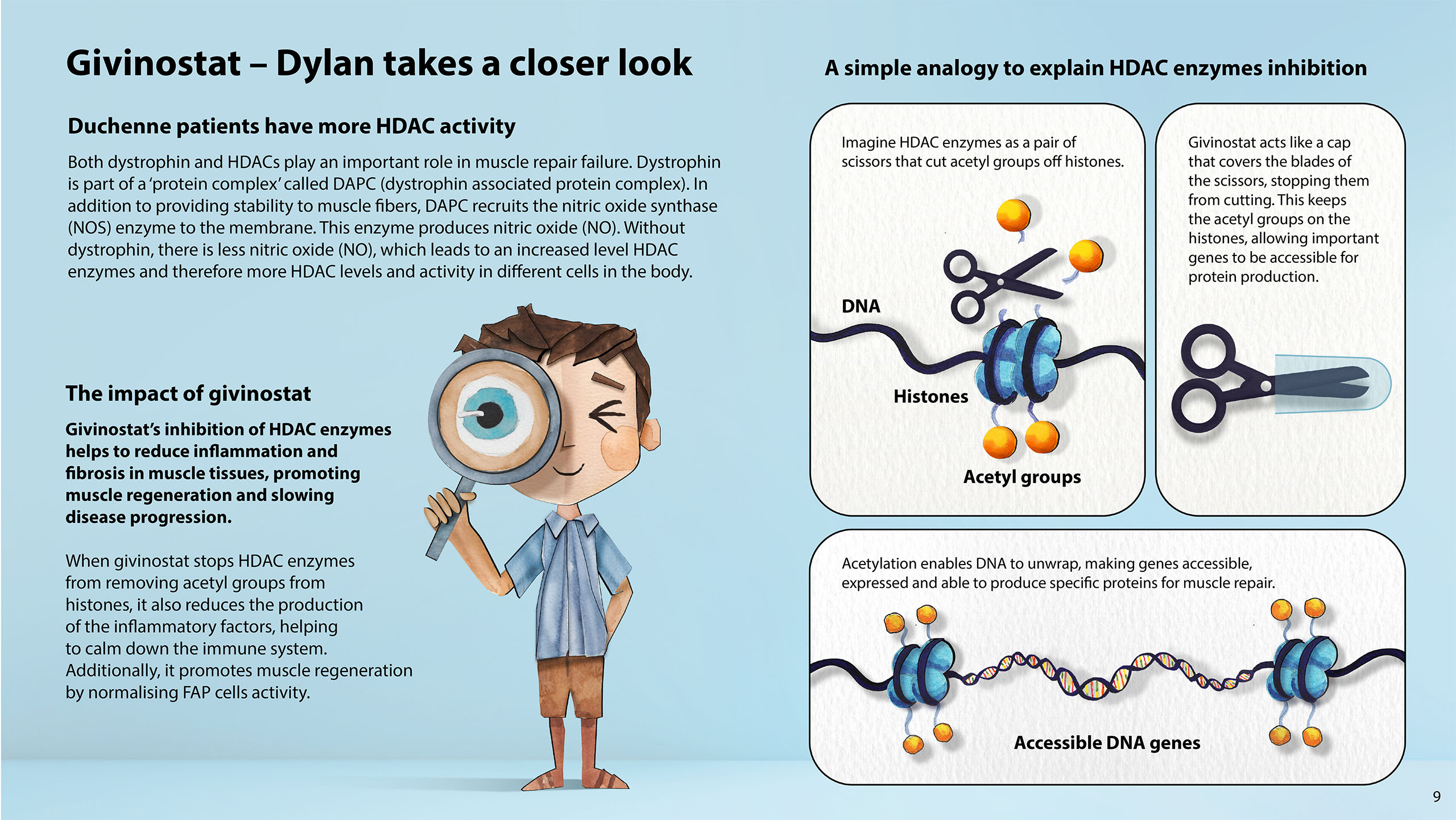
This ongoing muscle damage triggers a cascade of biological responses. One consequence is that a group of enzymes called histone deacetylases (HDACs) become overly active. Excess HDAC activity disrupts the normal regulation of genes involved in muscle repair, contributes to chronic inflammation, and promotes the replacement of healthy muscle fibres with fibrotic and fatty tissue.
Duvyzat® contains the active ingredient givinostat, an HDAC inhibitor. By reducing HDAC activity, givinostat helps decrease inflammation and supports the regeneration of muscle tissue, which can help preserve muscle function and slow disease progression.
Duvyzat® is a medicine that doctors give to people with Duchenne who are 6 years or older to help preserve muscle function and delay disease progression.

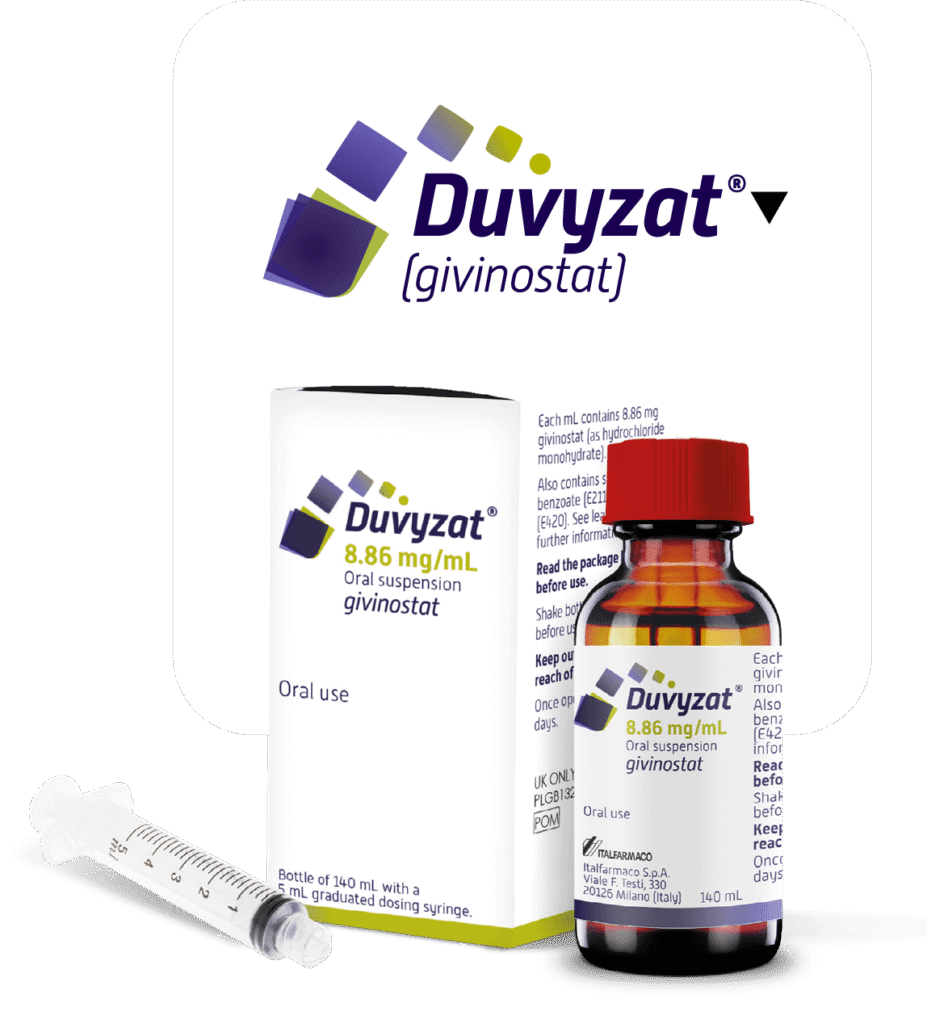
What does Duvyzat® look like?
Duvyzat® is an oral suspension and is taken twice daily with food. The colour of the liquid is faintly pink, and has been designed to taste like peach. It’s in a bottle with a label and comes with a graduated oral syringe to help measure the right amount.
How does Duvyzat® work?
See the science behind Duvyzat® and find out how it acts inside the body
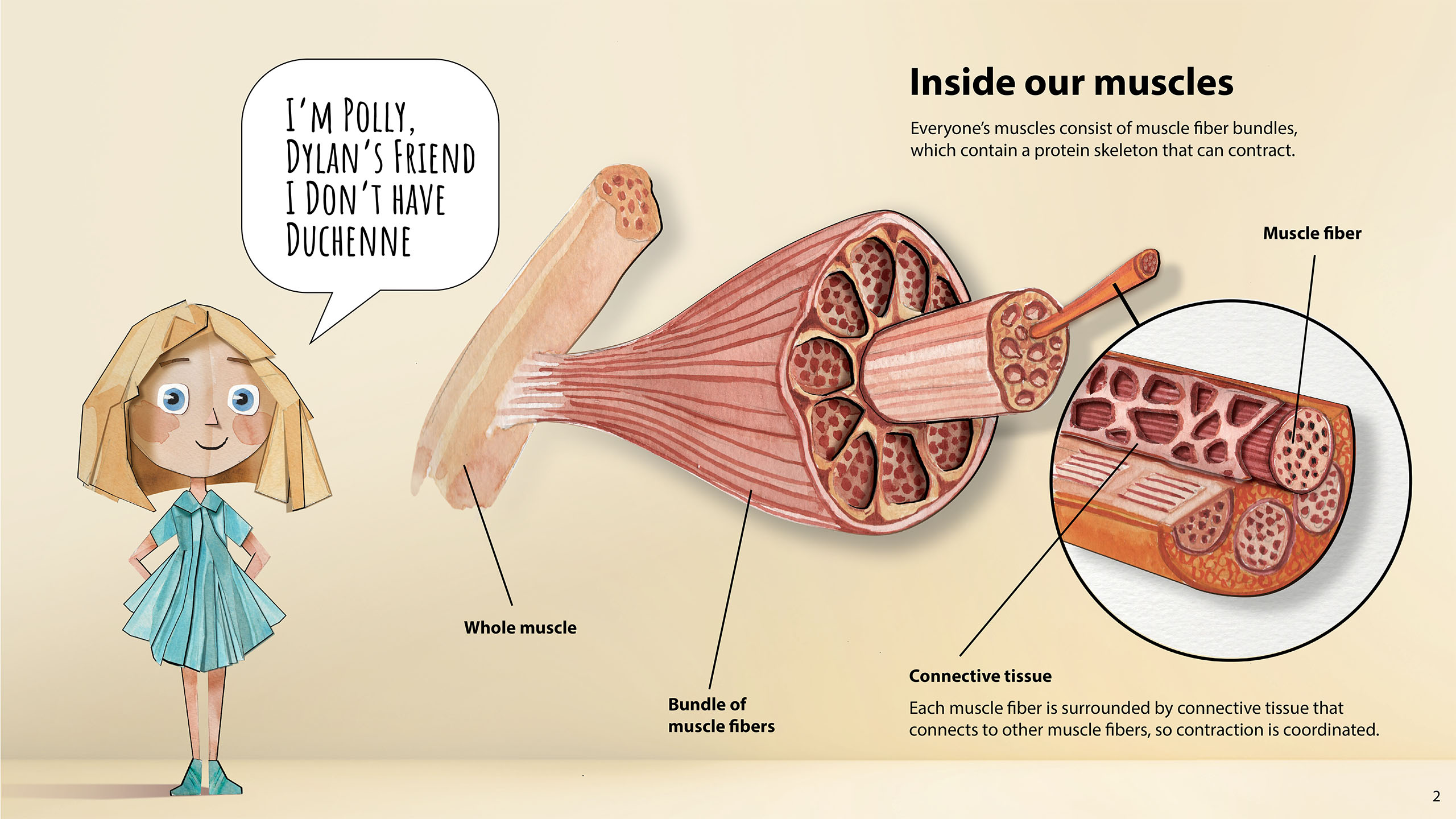
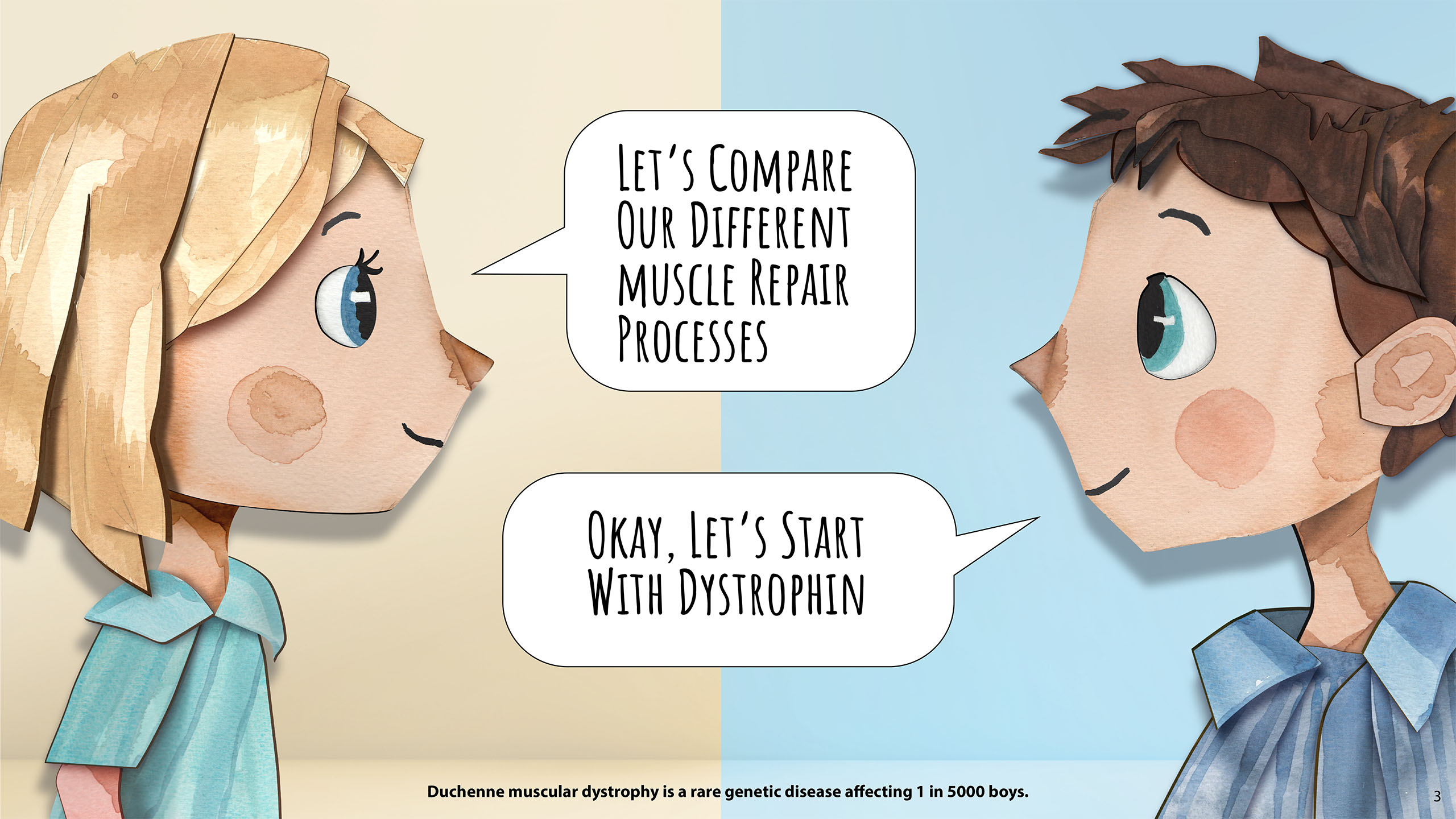
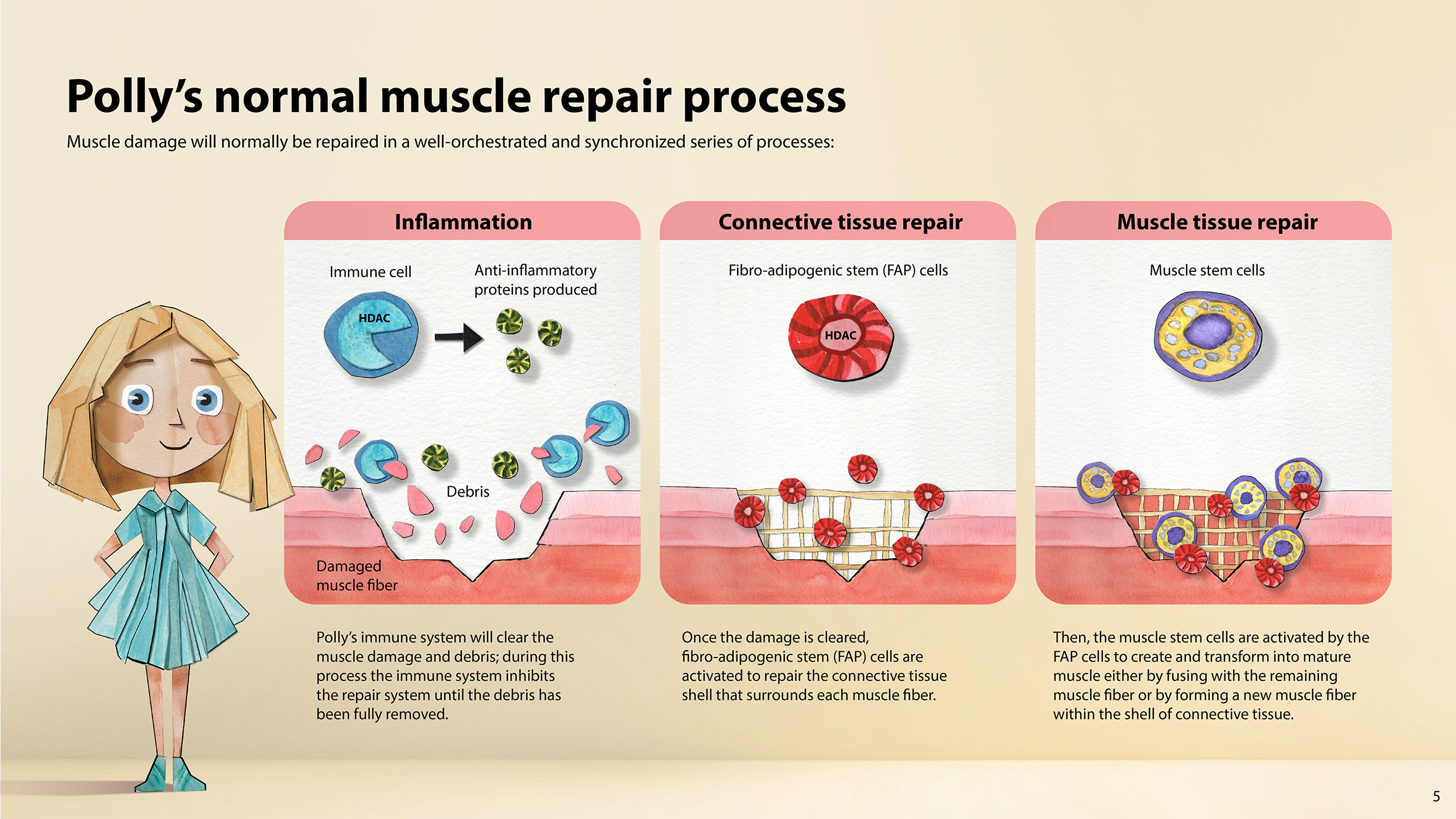
There’s a lot of science happening inside our muscles. If you’d like to learn more about how they work, and how Duvyzat® (givinostat) helps calm inflammation while reducing the build-up of fat and scar tissue, we’ve created illustrations below to help explain.
Next
These illustrations can also be found in the downloadable PDF below:
What do the medical words mean?
You will find explanations of the key medical terms in Dylan’s booklet in the PDF below. If a term is unclear or missing, you can always ask the healthcare team too.
Knowledge lights the way
We’ve created four tailored booklets to guide you through the first steps of treatment and help you learn more about Duvyzat®
The children’s booklets can be read independently or alongside a parent, guardian or caregiver. Some may even enjoy reading both versions to deepen their understanding. For older teenagers, especially those aged 16 and above, the adult booklet may also be appropriate, and many young adults may wish to take on a little more responsibility for their treatment.
Full medical information, including monitoring, potential side effects, and other important considerations, is included within both ‘A guide to your child’s treatment’ (for parents, guardian’s and caregivers), and ‘A guide to your treatment’.
Adults
‘A guide to your child’s treatment (for parents, guardians & carers)’ contains all the information you need to begin treatment.
‘A guide to your treatment’ contains all the information you need to begin your Duvyzat® treatment.
Children
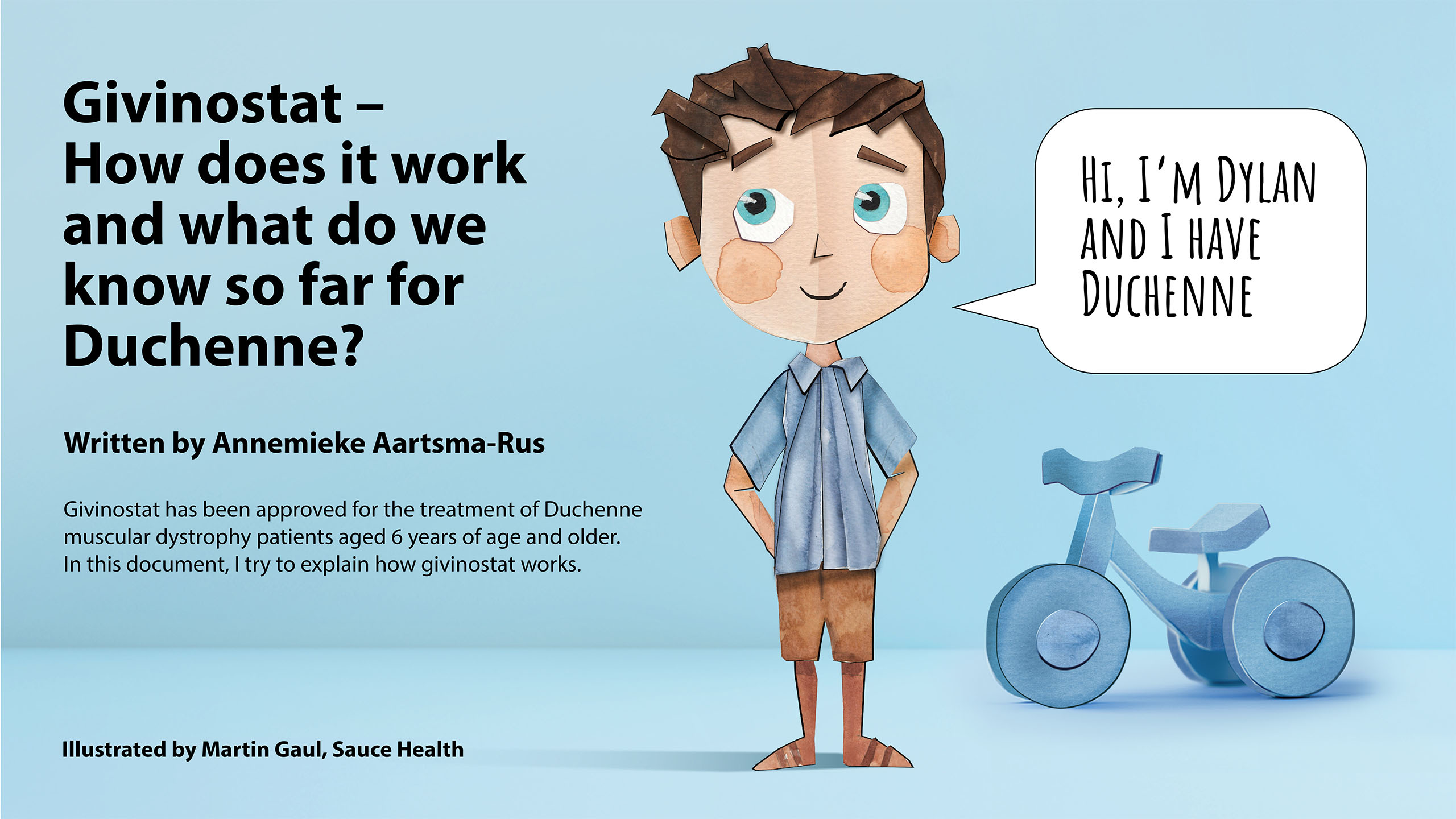
To help children learn about Duchenne and Duvyzat® we’ve created two children’s booklets, each ability‑appropriate, so every child can learn in the way that suits them best. These booklets use stories to show what happens inside the muscles in Duchenne and how Duvyzat® may help delay disease progression. They also explain, in ability‑appropriate language, how to take the medicine and a few things to be aware of, including possible side effects.
This guide about Duvyzat® explains to younger children (or anyone who prefers less detail) what it is and how it works in a fun way. You will find more detailed content in ‘A guide to your child’s treatment’.
This guide about Duvyzat® explains to older children (or anyone who prefers more detail) what it is and how it works – in a digestible way.
Reporting side effects
Your safety matters – here’s how to report concerns
Instructions for reporting side effects via MHRA Yellow Card are shown below.
You can also refer to the instructions in the patient information leaflet regarding how to report side effects.
Reporting of side effects:
If you get any side effects, talk to your doctor, pharmacist or nurse. This includes any possible side effects not listed in the package leaflet. You can also report side effects directly via the Yellow Card Scheme at: https://yellowcard.mhra.gov.uk
By reporting side effects, you can help provide more information on the safety of this medicine. This medicine is subject to additional monitoring. This will allow quick identification of new safety information. You can help by reporting any side effects you may get. See https://yellowcard.mhra.gov.uk for how to report side effects.